New Sustainable Vs the Vampire Brands
In the below blog we explain the difference between Citrus Social’s ethical 100% quality Vs those brands you are probably buying that claim to be something they are not whilst charging you £100 for a T-shirt.
The Hidden Tax: Feeding the Vampire Brand…..
When brands open their virtual doors after working so hard, design, communication, websites, and production, they often forget the challenge is not within the materials. We believe brand challenges start with a more difficult question. WHY?
Why do we buy, and are we actually achieving what we set out to do within our wardrobes? Or are we victims of our own cost Phycology.
The Phycology of Cost & The vampire Brand
A lot of people are in the trap we like to call the ‘Cost Paradox’, We fear that buying cheaper means lower production cost and therefore inferior quality, often putting off the purchase to negate the ‘risk’. Coupled with the ego of status and you have a toxic mix for small emerging brands such as ourselves.
This is where the ‘Vampire Brands’ step in.
They don't have the heritage of Gucci or Chanel, yet they charge prices that suggest elite quality. In reality, they are sucking you dry. They take your money and give you very little in return: cheap fabrics "tarted up" with expensive ad campaigns and designs fueled by data algorithms rather than passion.
We all hate the first time our new clothes go through the wash, but we hate it more on the other side when we paid a lot and received a one wash wonder.
The Hidden Tax of Over production:
How can a T-shirt that cost £120 feel ‘shabby’ after one wash?
These ‘Vampire brands’ produce vast quantities of low-cost pieces, knowing that a huge percentage will be heavily discounted, thrown away, or sent to a landfill. To keep their "ethical" facade, they hide behind glossy labels and scarcity mindsets, but their business model relies on you subsidizing the 60% of stock they failed to sell. You are paying for their "arrogance" of overproduction.
Logic over ego. CPW (cost Per wear)
We often fall for the Veblen Effect—the idea that as the price goes up, we want the item more because it signals status. It’s an "Ego Tax" we pay to feel exclusive.
But let's look at the Cost Per Wear (CPW):
A £10 T-shirt worn 3 times = £3.33 per wear, a £40 worn 100 times = 40p a wear.
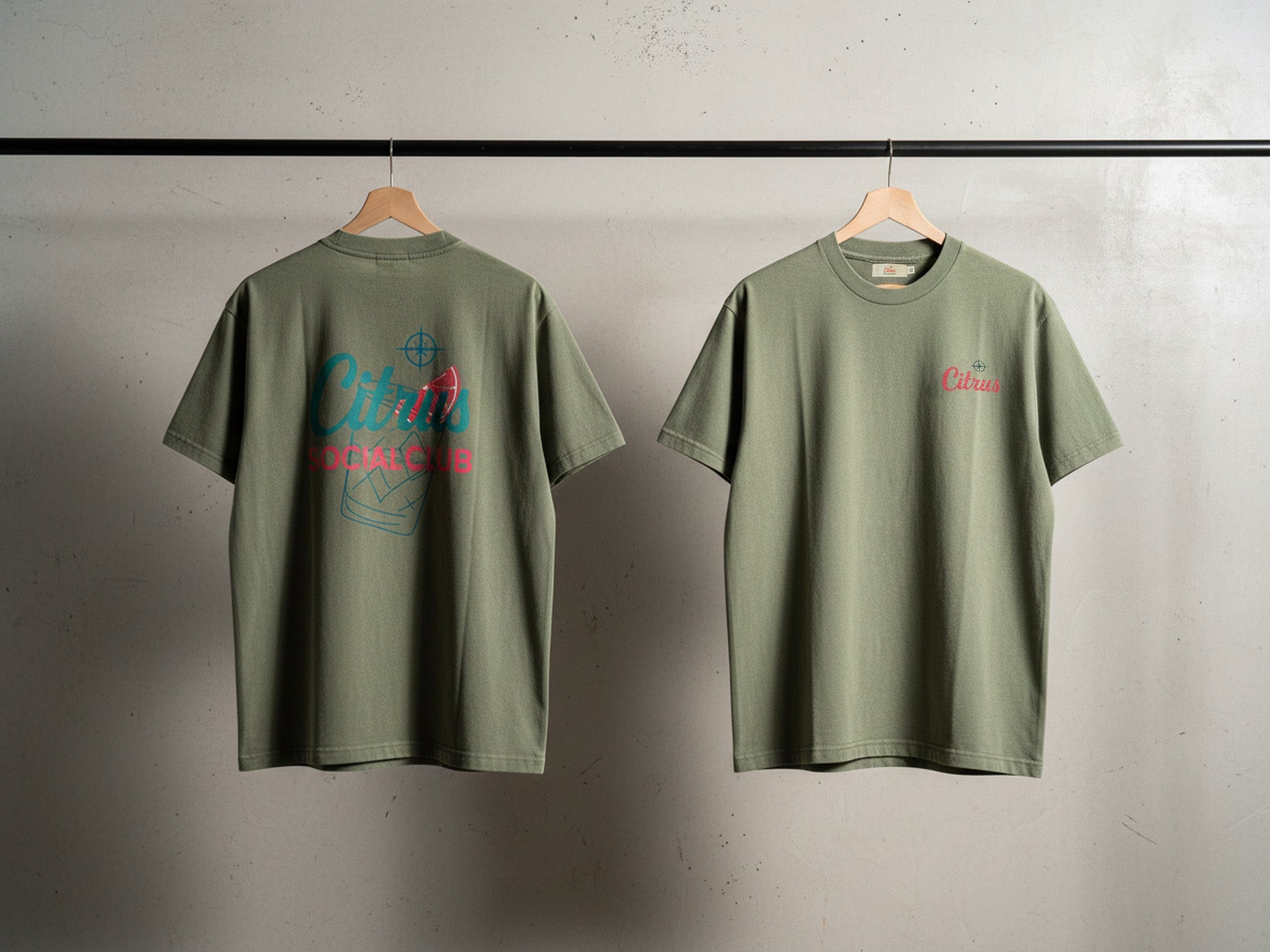
However any item of £120 worn even 5 times and washed once then relegated to the ‘never worn’ pile costs £24 per wear. Our T-s are only £28 and last and last. At Citrus Social Club, we are still wearing our original samples from over a year ago. We aren't shy of washing them because the real test of a garment is standing the test of time, not just looking good on a shelf.
A Different Way to Grow
We refuse to charge you an "Ego Tax". Because we are a new brand, we are likely underselling our value, but we’d rather offer well-made, well-printed clothing at a reasonable cost than join the cycle of waste.
We have more ideas than money, and that is our greatest strength. It means we don't produce thousands of items and hope for the best. We produce small batches based on what you actually want.
The choice is now yours:
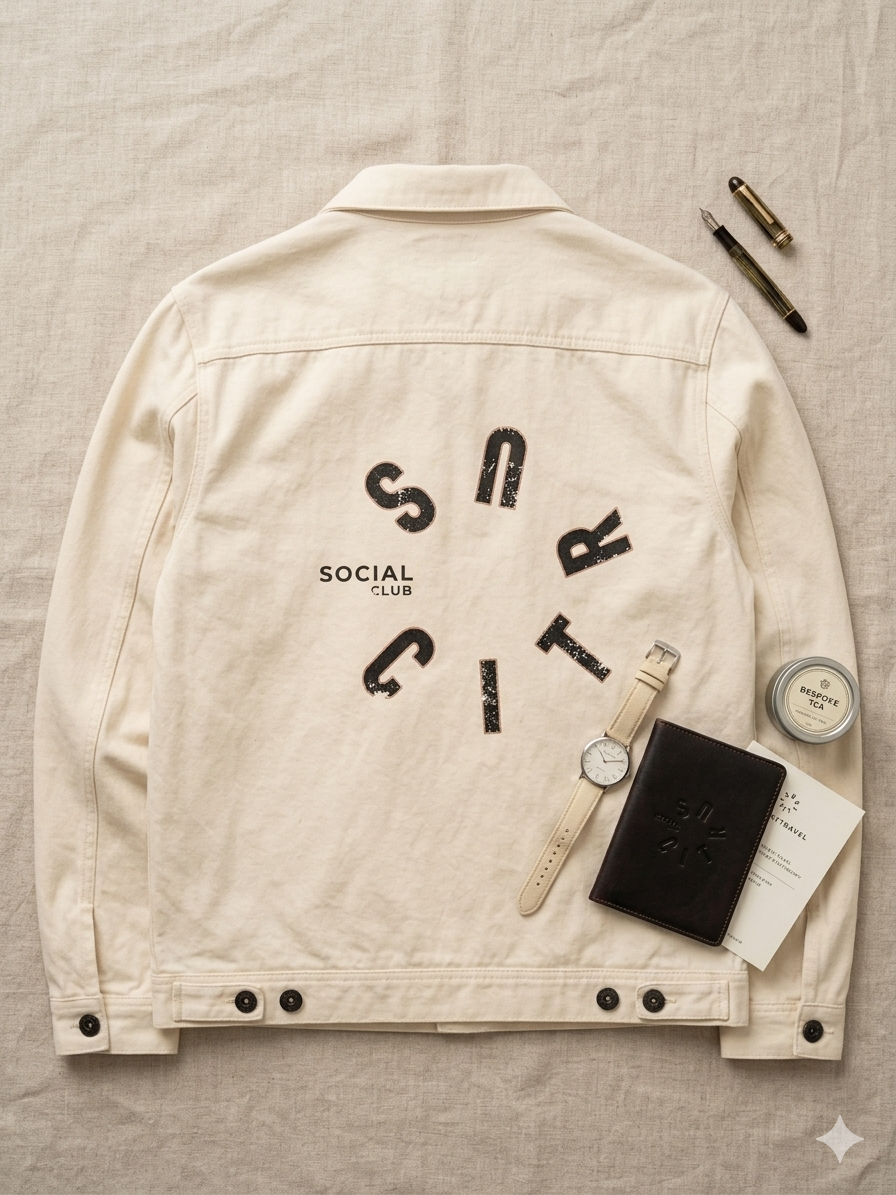
"We’ve finished the samples for our new lightweight jacket. It’s pretty, but we won’t produce it unless you want it. No obligation—just a vote for a future without the Hidden Tax of Waste." TAKE A LOOK
Do you want to keep feeding the vampires, or do you want to support a brand backed by passion and high standards?